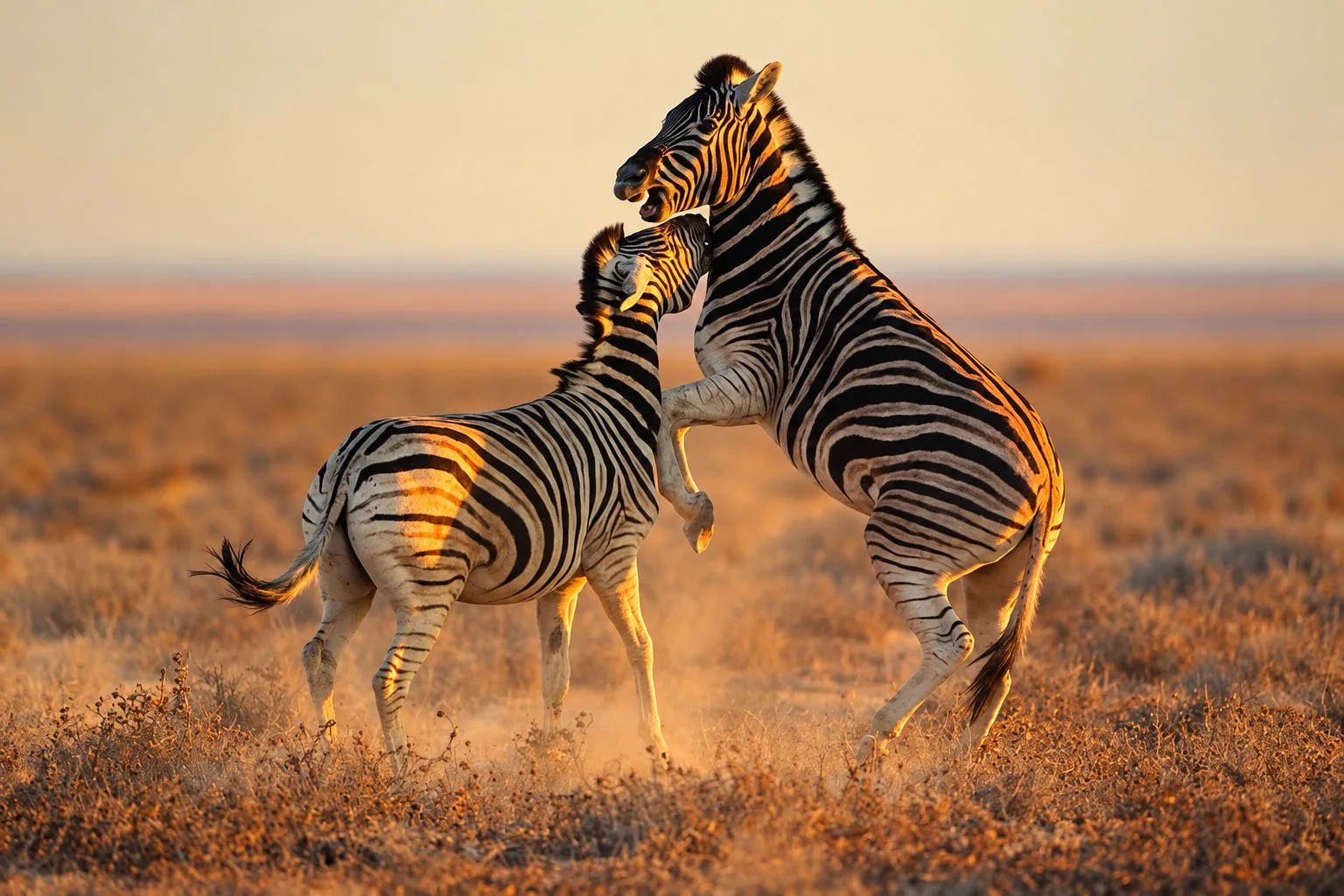
Lemosho
7–8 days · quiet & gradual

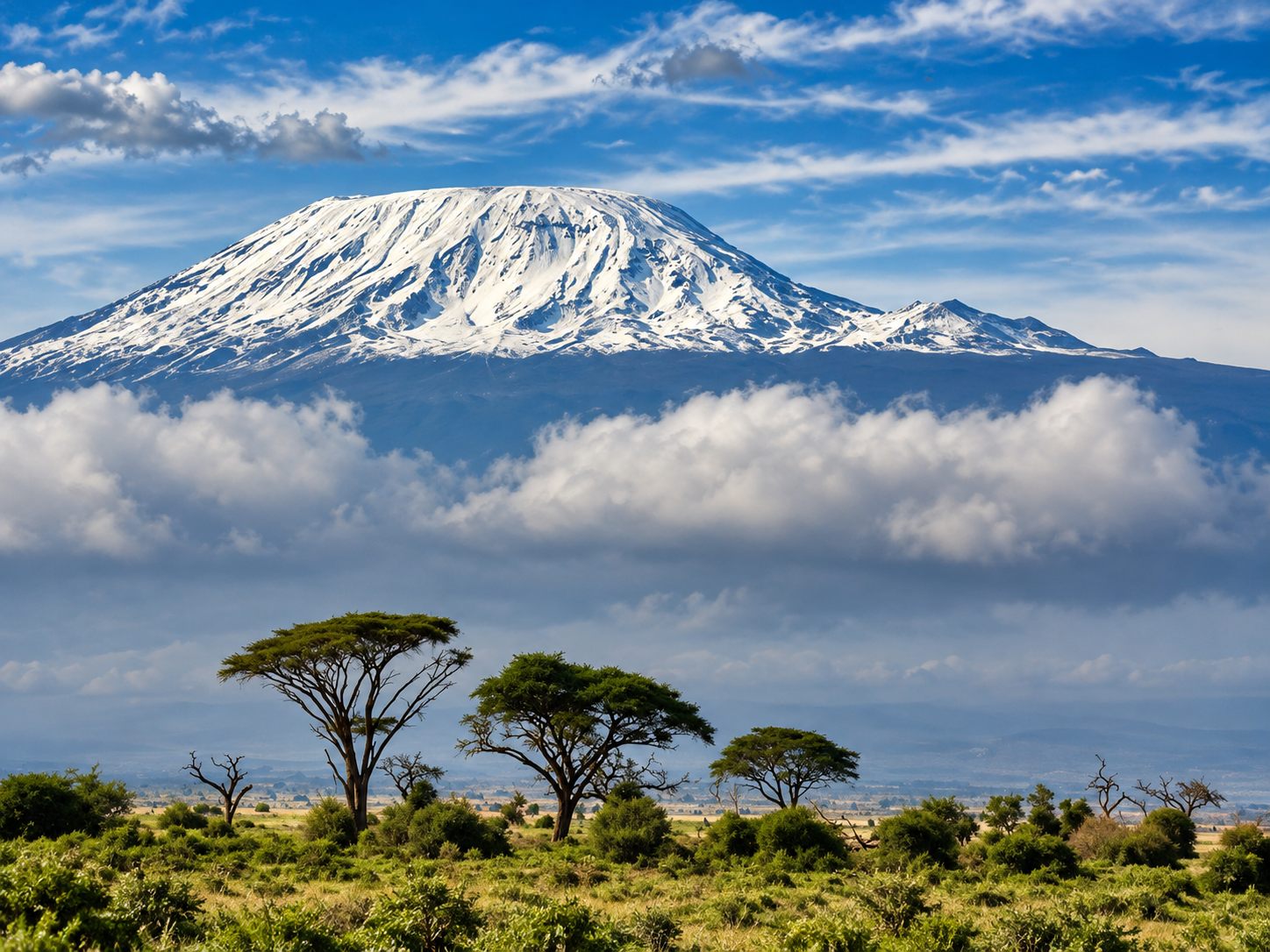
A thoughtful, well-paced journey from the forest floor to Africa’s highest summit.
What makes it special
Mount Kilimanjaro rises to 5,895 metres above sea level, taking climbers through rainforest, heath, moorland, alpine desert and the Arctic-like summit zone. It is a high-altitude trek, not a technical climb — but careful preparation and sensible pacing are essential.
At Wild to Peaks Adventures, we help you choose a route that suits your experience, fitness and available time, then shape every detail around a safe, memorable summit attempt.
5,895 m
Summit altitude
5
Climate zones
7–8
Days recommended
100%
Made around you
Choose your rhythm
Every route reaches the same summit. The difference is how much time, scenery and solitude you want on the way.
17 journeys to explore
Showing 1–6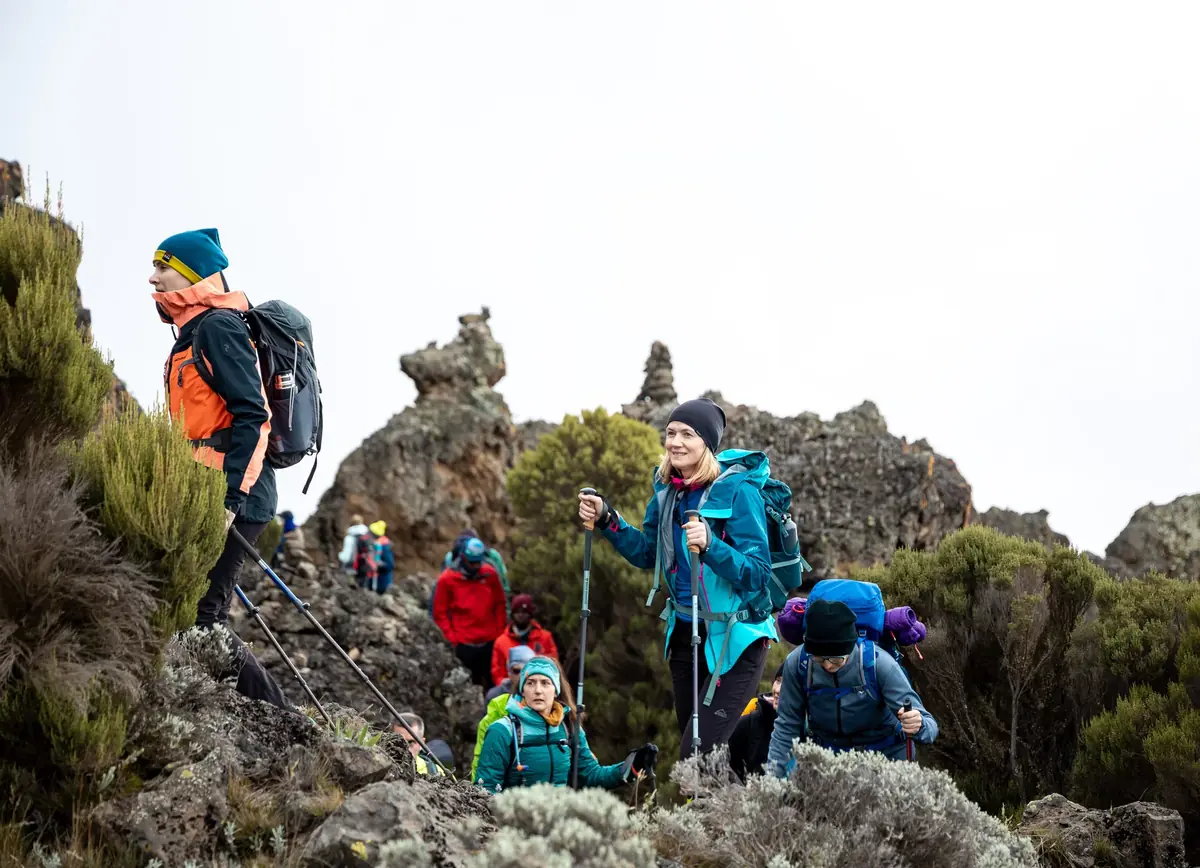
A compact six-day Machame Route Kilimanjaro program through rainforest, moorland and alpine environments. The six-day version uses a faster acclimatisation schedule than the seven-day Macham...
Destinations visited
Machame Route · Mount Kilimanjaro

The seven-day Machame Route is a better-paced option for many climbers because Karanga and Barafu are separated into different days instead of being compressed. It retains Machame’s varied l...
Destinations visited
Machame Route · Mount Kilimanjaro

The Lemosho Route begins on Kilimanjaro’s western side, crosses the Shira Plateau and later joins the southern circuit. The eight-day version gives more time to progress gradually than short...
Destinations visited
Lemosho Route · Mount Kilimanjaro

A six-day Marangu Route Kilimanjaro climb using the mountain hut system, with an additional acclimatisation day at Horombo compared with the shortest Marangu program.
Destinations visited
Marangu Route · Mount Kilimanjaro

The Rongai Route approaches Kilimanjaro from the northern side and is often positioned as a quieter alternative to the busiest southern approaches. It usually descends via the Marangu side.
Destinations visited
Rongai Route · Mount Kilimanjaro

6-Day Machame Route follows the original Wild to Peaks Tanzania route and overnight plan, with added day-by-day context, clear stay information and practical pacing throughout the journey.
Destinations visited
Your route, personally planned
Choose your path
Four beautiful approaches, one unforgettable summit.
Lemosho
7–8 days · quiet & gradual
Machame
6–7 days · scenic & social
Rongai
6–7 days · calm north side
Marangu
5–6 days · hut accommodation
Practical planning
Layers are your best friend: the weather can change dramatically between the trailhead, camp and summit.
Essentials, not excess
You will be supported with a detailed pre-departure list. Start by making sure these essentials are covered.
When to go
Kilimanjaro can be climbed year-round. The best month depends on your preferred trail conditions, views and tolerance for a little rain.
January–March
A popular dry window with warm trailhead days and occasional snow at high altitude.
June–October
The main dry season, with classic views and more trekkers on the popular routes.
The rainy months
A quieter time to travel when route choice, good gear and flexible expectations matter most.
Kilimanjaro in pictures
From volcanic ridges to the summit glow, the climb is as much about the days between as the moment you stand at the top.
View all pictures


Good to know
Clear answers before you choose a route. For personal advice, our team is ready to talk through your plans.
Yes. Kilimanjaro does not require technical mountaineering skills, but it does require preparation, patience and the right itinerary. A seven- or eight-day route gives most first-time climbers the best opportunity to acclimatise well.
The drier periods from January to early March and from June to October are popular for clearer trail conditions. The mountain can be climbed in other months too; the route and pacing should match the season.
We generally recommend seven or eight days on the mountain. The extra time is not about rushing less; it is about giving your body more time to adapt as altitude increases.
Build steady aerobic fitness with walking, hiking, cycling or running, then add hill work and longer walks with the footwear you intend to use. Consistency matters more than extreme training.
Your guide team will check in regularly, adjust the pace and make safety-led decisions throughout the climb. The correct response is always to communicate early and follow your guide’s advice.
Your summit, your pace
Tell us your dates, fitness level and what you want from the journey. We will recommend a thoughtful route and shape the details around you.
Your free guide
Your next chapter
Share your ideas, your travel dates and the people coming along. Wild to Peaks Adventures will help shape a personal safari with the right places, stays and experiences for you.